Event Task Checklists Guide
A comprehensive checklist is your insurance against forgotten tasks and last-minute chaos. Learn how to create and manage event checklists that keep your planning on track.
A hundred little tasks live in your head, a notes app, and three different lists, and the one you forget is always the one that matters. Ripluo keeps every task and checklist in one place, tied to the event and the timeline, so nothing slips between now and the big day.
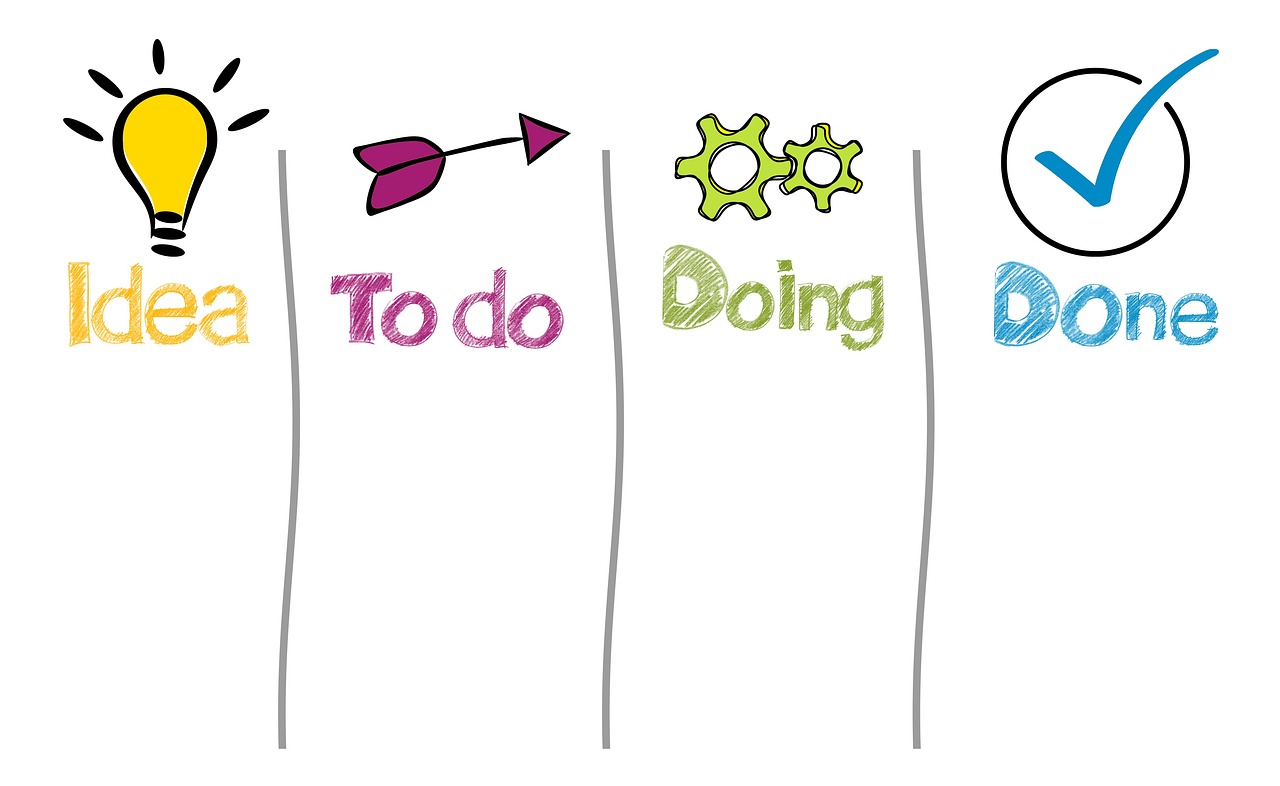
Why Checklists Are Essential
Event planning involves hundreds of details. Without a systematic approach to tracking them, things fall through the cracks. Checklists provide structure, accountability, and peace of mind.
Nothing Gets Missed
Capture every task from start to finish
Clear Accountability
Everyone knows their responsibilities
On-Time Delivery
Due dates keep planning on schedule
Early Warning
Spot overdue items before they become problems
Event Planning Timeline Checklist
Here's a comprehensive checklist organized by time before your event. Adjust based on your event size and complexity:
12+ Months Before
- Define event goals and objectives
- Establish initial budget
- Form planning committee
- Research and book venue
- Set event date
6-12 Months Before
- Book major vendors (catering, entertainment)
- Create marketing plan
- Design event branding
- Set up registration system
- Finalize budget allocations
3-6 Months Before
- Confirm all vendor contracts
- Launch marketing campaign
- Create event timeline/schedule
- Plan menu and beverages
- Arrange transportation/parking
1-3 Months Before
- Send invitations/open registration
- Confirm guest speakers/entertainment
- Finalize floor plan and seating
- Order printed materials
- Brief team on responsibilities
1-4 Weeks Before
- Confirm final headcount with vendors
- Create day-of timeline
- Prepare name badges and materials
- Conduct venue walkthrough
- Finalize contingency plans
Day Before & Day Of
- Deliver materials to venue
- Set up signage and decor
- Conduct team briefing
- Test A/V equipment
- Execute event timeline
Checklist Management Best Practices
Assign Every Task
Each task should have a clear owner. When multiple people are responsible, things slip through the cracks. Even if you're working alone, assigning tasks helps with prioritization and accountability.
Set Realistic Due Dates
Every task needs a deadline. Set dates that allow time for dependencies and unexpected delays. It's better to finish early than to constantly push back dates.
Break Down Large Tasks
Complex tasks should be broken into smaller subtasks. "Book venue" might include research, site visits, contract review, and deposit payment. Subtasks make progress visible and projects less overwhelming.
Review Regularly
Schedule weekly checklist reviews. Look for overdue items, upcoming deadlines, and blocked tasks. Regular reviews prevent small issues from becoming big problems.
Use Filters and Views
Modern checklist software lets you filter by assignee, due date, priority, or category. Use these to focus on what matters right now and avoid overwhelm.
How Ripluo keeps every task in one place
Build your checklist once, assign each task an owner and a due date, and let Ripluo surface what needs doing today. So the details stop living in your head, and you walk into event week knowing nothing was missed.
Start FreeTask Priority Levels
Not all tasks are equally urgent. Use priority levels to focus your energy:
Frequently Asked Questions
What should be on an event planning checklist?
A comprehensive event checklist should include: venue booking and requirements, vendor contracts, budget tracking items, marketing and promotion tasks, attendee management, day-of logistics, team assignments, contingency plans, post-event tasks like follow-ups and vendor payments, and debrief/feedback collection.
How do I organize tasks across multiple team members?
Assign each task to a specific person with a clear deadline. Use task management software that allows filtering by assignee so team members see their own tasks. Set up notifications for due dates and hold regular check-ins to review progress and blockers.
When should I start my event planning checklist?
Start your checklist as soon as the event is confirmed. For large events, this might be 6-12 months out. Begin with major milestones (venue, key vendors) and add detailed tasks as you move closer to the event date. A well-maintained checklist evolves throughout planning.
How do I handle subtasks in event planning?
Break complex tasks into actionable subtasks. For example, 'Book catering' might include: research caterers, request quotes, schedule tastings, review contracts, and finalize menu. Subtasks make large projects manageable and help track detailed progress.
Manage Your Event Tasks with Ease
Ripluo's checklist tools help you organize tasks, assign team members, set due dates, and track progress—all in one place.
Start Free